
Using AI to Supercharge Your Marketing Strategy


In today’s fast-paced digital landscape, staying ahead of the competition requires more than just traditional marketing tactics. Enter artificial intelligence (AI), a powerful tool to supercharge your marketing strategy. From predicting customer behavior to automating content creation, AI is helping companies optimize their marketing strategies like never before.
1. Audience Targeting
One of the most significant advantages of using AI in marketing is its ability to help businesses accurately target their audience. Traditional marketing often relies on broad demographics or guesswork to define target markets, but AI takes this to the next level by analyzing vast amounts of data to create highly detailed customer profiles.
AI tools can process data from multiple sources, including social media, website behavior, and purchase history, to identify patterns and preferences that would be difficult to spot manually. This allows businesses to deliver more relevant ads and content to specific segments of their audience. By hyper-targeting the right people at the right time, AI ensures that marketing efforts are more efficient and effective.
For example, AI can help marketers identify potential customers who are most likely to convert based on their past interactions with the brand. This allows marketers to focus their marketing efforts on those who are more likely to engage, resulting in a higher return on investment (ROI).
2. Predictive Analytics
AI’s predictive analytics capabilities are another game-changer for marketers. Predictive analytics involves using historical data and machine learning algorithms to forecast future trends and customer behavior. This allows businesses to make more informed decisions and create proactive marketing strategies.

For instance, AI can predict which products a customer is most likely to purchase based on their browsing history, purchase patterns, and even external factors like seasonality or current events. With this information, marketers can tailor their campaigns to target customers with products or services they are most likely to be interested in.
Predictive analytics also helps businesses optimize their sales funnels by identifying potential drop-off points. By understanding where customers are most likely to abandon their journey, businesses can make adjustments to improve conversion rates and reduce churn.
3. Personalizing Campaigns
Personalization is key to creating meaningful connections with customers, and AI plays a crucial role in delivering highly personalized marketing campaigns. AI-powered tools can analyze customer data in real time, allowing businesses to create content and offers that resonate with individual preferences.
For example, AI can dynamically change the content of a website or email based on a customer’s behavior, such as their past purchases or browsing history. This level of personalization increases engagement and conversion rates, as customers are more likely to respond to content that speaks directly to their needs and interests.

AI also helps marketers scale personalization efforts by automating personalized content creation at scale. Rather than manually creating unique messages for each customer, AI can generate thousands of personalized emails, ads, or website experiences, saving time and resources while delivering a highly customized experience.
4. Automating Content Creation
Content creation is a time-consuming process that often requires significant resources. However, AI is changing the game by automating many aspects of content creation, making it easier for businesses to produce high-quality content quickly and consistently.
AI-powered tools like Jasper.ai and Copy.ai can generate blog posts, social media content, product descriptions, and even email copy based on a few simple inputs. These tools use natural language processing (NLP) and machine learning algorithms to create content that is not only grammatically correct but also engaging and relevant to the target audience.
While AI-generated content may not completely replace human writers, it can significantly reduce the time spent on repetitive tasks, allowing marketers to focus on more strategic aspects of content creation, such as storytelling and brand voice. AI also helps ensure consistency across all marketing channels, making maintaining a cohesive brand message easier.
5. Optimizing Ad Spend
AI’s ability to optimize ad spend is one of its most valuable applications in marketing. Traditional advertising often involves trial and error, with marketers manually adjusting bids and targeting based on performance. Conversely, AI can automate this process, making real-time adjustments to ad campaigns to maximize their effectiveness.
AI algorithms can analyze data from multiple sources, such as past ad performance, customer behavior, and competitor activity, to determine the most effective bidding strategies and targeting parameters. By continuously optimizing ad campaigns, AI ensures that your ad spend is used as efficiently as possible, reducing waste and improving ROI.
For example, AI can automatically adjust bids based on the likelihood of conversion, ensuring you’re not overpaying for ads that are unlikely to result in sales. It can also help identify the best-performing ad creatives and target audiences, allowing you to focus on what works and eliminate underperforming ads.
6. Enhancing SEO
Search engine optimization (SEO) is crucial for driving organic traffic to your website, but it’s also a constantly evolving field. AI can help businesses enhance their SEO efforts by enabling them to use tools that analyze search trends, optimize content, and track keyword performance.
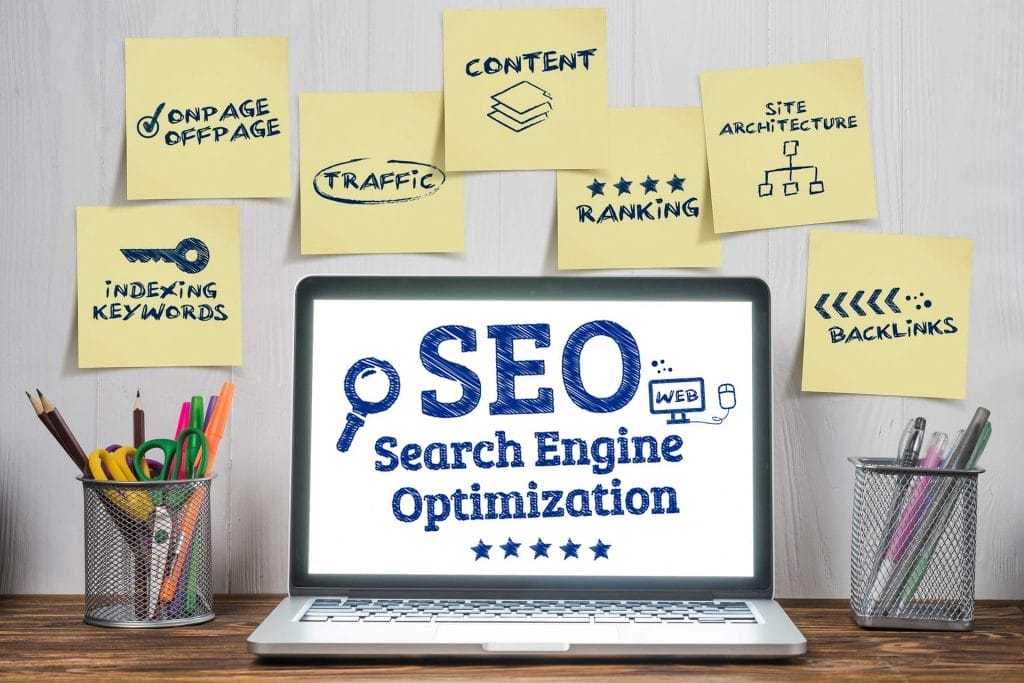
AI-powered SEO tools like Surfer SEO and MarketMuse use machine learning to analyze search engine results pages (SERPs) and identify the most effective keywords and content strategies for a given topic. These tools can also provide suggestions for improving on-page SEO, such as optimizing meta descriptions, headers, and internal links.
Additionally, AI can help businesses anticipate algorithm updates by identifying changes in search engine ranking factors. By continuously analyzing SEO performance and making data-driven adjustments, AI ensures that your website remains visible in search results and continues to attract organic traffic.
7. Analyzing Trends

Staying on top of market trends is essential for any business, and AI is a powerful tool for trend analysis. AI can process vast amounts of data from social media, news sources, and other online platforms to identify emerging trends and shifts in consumer behavior.
By analyzing this data, businesses can gain valuable insights into what topics, products, or services are gaining traction in their industry. This allows marketers to adjust their strategies quickly, capitalizing on emerging trends before they become mainstream.
AI can also help businesses identify potential opportunities for innovation by analyzing market gaps. For example, if AI detects a growing interest in a particular product or service that your business doesn’t currently offer, it can alert you to the opportunity to expand your offerings and meet customer demand.
8. Customer Segmentation
Customer segmentation is essential for creating targeted marketing campaigns that resonate with specific groups of people. AI helps businesses segment their customers more accurately by analyzing demographics, purchase history, browsing behavior, and social media activity.
AI-powered segmentation tools allow businesses to create particular customer groups, such as frequent buyers, first-time visitors, or those who have shown interest in a particular product category. This enables marketers to tailor their messaging and offers to each segment, increasing the likelihood of conversion.
AI also helps businesses create dynamic segments that evolve based on changing customer behavior. As customers interact with your brand, AI continuously updates their profiles, ensuring that your marketing efforts are always relevant and up to date.
9. Performance Tracking
Tracking the performance of your marketing campaigns is essential for understanding what works and what doesn’t. AI-powered performance tracking tools automate the monitoring of key metrics, such as conversion rates, click-through rates, and customer acquisition costs.

These tools provide real-time insights into your campaigns’ performance, allowing you to make data-driven decisions and adjust your strategy as needed. AI can also identify patterns in your data that may not be immediately apparent, helping you uncover new opportunities for optimization.
By automating performance tracking, businesses can save time and resources while ensuring that their marketing efforts are continuously improving.
10. Success Stories
The power of AI in marketing is not just theoretical – numerous success stories demonstrate its effectiveness. For example, Netflix uses AI to recommend content to users based on their viewing history, resulting in higher engagement and customer retention. Similarly, Amazon uses AI to personalize product recommendations, driving sales and improving the customer experience.

Another example is Sephora, which uses AI-powered chatbots to provide personalized beauty advice to customers. This has helped the brand enhance customer engagement and sales by offering tailored product recommendations.
These success stories highlight the potential of AI to transform marketing strategies, improve customer experiences, and drive business growth.
Embrace AI for a Competitive Edge in Marketing
AI is no longer a futuristic concept – it’s a powerful tool that businesses can use today to supercharge their marketing strategies. From audience targeting and predictive analytics to content creation and performance tracking, AI is transforming every aspect of marketing. By leveraging AI, businesses can optimize their campaigns, improve customer engagement, and stay ahead of the competition.
As AI continues to evolve, its potential to revolutionize marketing is limitless. The key is to integrate AI into your marketing strategy now so you can reap the benefits of this transformative technology.

I’m founder of BizStack at Cagri Sarigoz LLC and a passionate advocate for entrepreneurs.
With over 14 years in tech, marketing, and AI, including my role as Head of SEO at CitizenShipper and co-founder of TaleBot at Intale AI, I’m dedicated to sharing genuine, useful product insights and tips.
At BizStack, I aim to cut through the digital noise to provide clear, actionable advice.
And more than all else, I’m a father to a (always) little girl and a husband.
Contact me at [email protected] for assistance.